


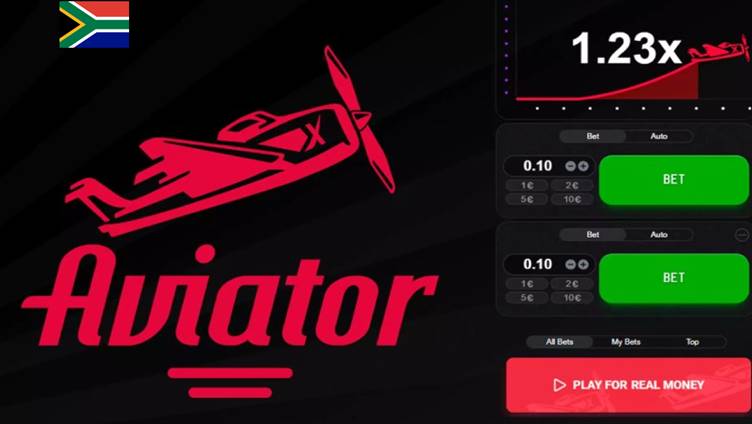
Aviator is the thing that pulls you in, second by second. You wouldn’t think a game this simple would be so hard to walk away from. The Aviator betting game is all about timing. The plane takes off. You cash out before it flies away. If you wait too long, you lose it all. If you act too early, you miss out on bigger multipliers. It sounds easy until you actually try it.
On day one, I was just curious. By day thirty, I had a routine, a habit, and more than a few thoughts about how a crash game could take over your mind, and be not only a hobby but also a way to make some income.
Before I share my week-by-week experience, I would like to say a few words about this impressive game. It has become so well-known that its developers have formed several prestigious partnerships, including one with the UFC.
Week One – The Hook
This week can be described as a case of fight or flight while discovering the dopamine loop.
So, the first week felt like a game, pure and simple. I joined one of the more popular betting sites with Aviator game options. I didn’t even read a guide on how to play Aviator for beginners. I just jumped in.
The simplicity made it easy. Place a small bet. Watch the plane. Cash out. Or don’t.
When I hit a 3x on my third try, I felt like I was winning at something big. I started trusting my gut. I waited for big multipliers and lost a few rounds to greed. But the wins felt stronger than the losses.
It was the beginning of the loop: bet, wait, feel something, repeat. That little spike of excitement each round made it hard to log off.
Week Two – The Strategy Phase
I started to think that there was a system. Perhaps there was the best time to play Aviator? I religiously watched the history tab. After five rounds under 1.2x, I convinced myself that a big win was imminent.
I began testing different strategies. First, I tried two bets: one cashed out early at 1.5x, the other waited for a big win. Then I tested auto cash-outs and tracked my results on an Aviator strategy chart I found on Reddit.
I even found something called an Aviator predictor online live tool. Most of it seemed fake, but I still peeked at it every now and then. I watched streamers play and shared theories with other players in the chat.
I felt smarter. It seemed that I had fallen victim to the illusion of control in a random game (before week two). But the truth? I was just deeper in.
Week Three – Burnout and Behavior Shifts
By the third week, the game was still part of my daily routine, but I wasn’t enjoying it anymore. I would log in, place a few bets on autopilot and then get frustrated and close the app.
I wasn’t chasing wins anymore. I was trying to avoid losses. Out of habit, I stopped using the demo Aviator play tools and jumped into real games. I’d try to win back what I’d lost. Then I’d lose again.
My mood followed the outcomes. A few good rounds meant I could relax. A bad day made everything else feel off.
I recognised it as a problem, but I couldn’t stop.
In short, this week allowed me to switch to autopilot mode, where winning becomes work.
Week Four – Reflection, Discipline, or Collapse
And now for the final part of my playing test. Was it grounded or crashing? The final days of my experiment went as follows:
By week four, I had to make a decision: keep going blindly or set limits. I chose the latter.
I told myself one session per day. I set win/loss limits. If I hit either, I logged out.
At this point, I had played across several Aviator sites in South Africa, where gambling is licensed, while our country is leading the way in legalising such activities and responsible gambling. It sets the tone for gambling trends across Africa. Well, some of the mentioned websites offered tempting bonuses and leaderboards, but I stopped chasing them.
I reviewed my records. I had small profits in some sessions, bigger losses in others. I didn’t make much. I didn’t lose a fortune, but I did give up a lot of time.

The Mechanics Behind the Madness
This game is built to keep you locked in. No spinning reels. No noise. Just you and a plane.
Every round takes a few seconds. That means fast rewards or fast frustration. And with live stats, chats, and wins flashing on the screen, you’re always watching other people succeed.
That constant pressure builds a powerful loop.
But that loop is not only about speed; it’s about psychology too. You’re not just betting; you’re competing. You’re racing against the timer, your own hesitation and, silently, the big winners lighting up the chat. Those wins aren’t just random names; they are a reminder. They’re reminders that you could have held on longer or cashed out sooner.
There is also the illusion of control. The decision to cash out is yours alone. You choose the timing and take on the risk. This sense of autonomy can feel empowering, even when it is misleading. The result? You end up staying longer than planned, convinced that you’re just one smart move away from turning things around.
The Psychology of Risk and Exit: Learning the Hard Way
I enjoy reading scientific articles to learn something new from a rational point of view. Recently, I learned that experts in psychology and economics often view gambling as a way to study how people make decisions under pressure in the real world. The situation is stripped down to something simple: you put money in, hoping to get more out. This makes it easier to spot patterns in how people react to risk, reward and uncertainty. I tested this theory on myself. I realised that I am prone to risk anyway and that if I don’t gamble, I will make risky investments on the stock market, for example.
And, for sure, the hardest part of Aviator isn’t knowing when to bet. It’s knowing when to stop, like in gambling in general and in any risky activity.
You see a 2x and want 3x. You hold out and crash. Next time, you cash out early and watch it hit 20x. It messes with your head.
You fall into the sunk cost trap. You tell yourself one more round will make it all back. But that “one more round” turns into ten.
You lose more to indecision than bad luck.
Everyone’s Playing: How This Game Became a Digital Habit
In South Africa, betting on your phone is nothing new. According to the newest 2025 survey, 94% (!) of respondents who gamble reported that they place bets using a mobile phone. Many consumers prefer quick games, and Aviator fits that mold. It’s become a background activity. You play it while waiting in line, riding a taxi, or during ad breaks.
This shift is part of a broader trend, with new South African betting sites gaining massive popularity thanks to their mobile-first focus and rapid growth across the continent.
Influencers stream their wins. Some betting sites promote it heavily. It feels normal.
But just because it’s everywhere doesn’t mean it’s always safe.
The Takeaways
It’s important to recognise the fine line between routine and risk. So, what did I learn from 30 days of playing?
- Games this short can still take up a big part of your day.
- Patterns are mostly in your head.
- Winning small and often is better than chasing big wins.
- The real challenge isn’t the game. It’s your own discipline.
For new players, here are a few Aviator tips and tricks for big wins:
- Use the demo mode to practice. This will help you to develop necessary skills and then play more professionally in the real money mode.
- Avoid betting every round. Take breaks, especially if you feel tempted to gamble money back that you have lost.
- Set a budget and walk away when it’s gone.
- Don’t believe in predictors or guaranteed strategies.
30-Day Detox Checklist:
- Play only at set times
- Use auto cash-out
- Avoid chat hype
- Track your bets
- Take a break after every session

Conclusion: What I Learned After 30 Days of Aviator?
Playing this game every day taught me more about myself than I had expected. It showed me how easily I can fall into a habit without noticing. It also reminded me that fast games can still come at a slow pace.
If you play smart, Aviator can be entertaining. But if you’re not careful, the crash won’t just be in the game. It’ll be in your focus, your finances, and your peace of mind.
So take it seriously. Set limits. And never forget that the biggest win is knowing when to stop.