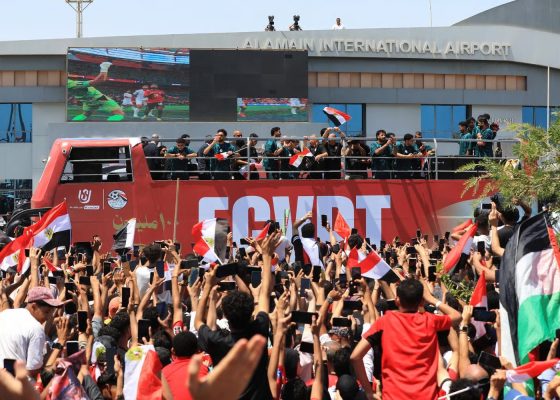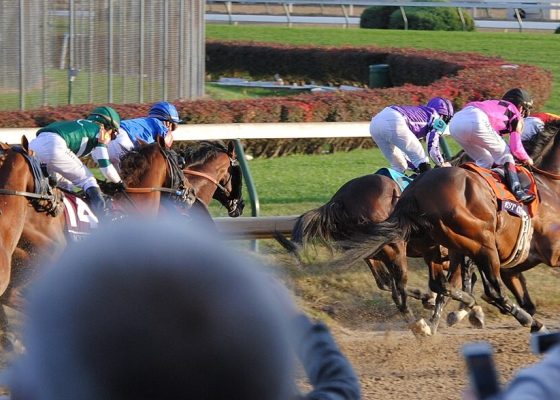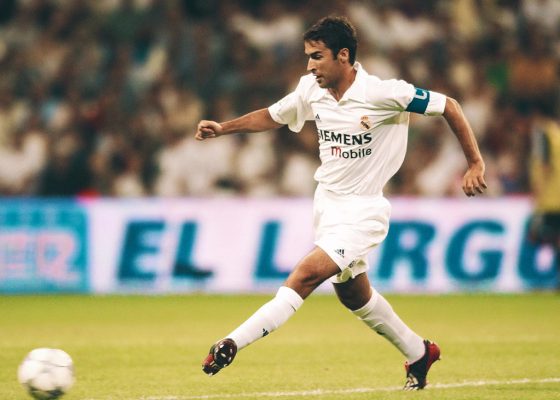


Africa is one of the most dynamic sports-betting markets on the planet. A young, mobile-first population, deep football fandom and the spread of mobile money have turned betting into a mainstream pastime across Nigeria, Ghana, Kenya, South Africa and beyond. Behind every credible operator serving these markets, though, is something most punters never see: a gaming licence.
Why the licence matters to players too
A licence isn’t just paperwork for the operator. It’s what lets a sportsbook open proper payment channels, integrate trusted odds and game providers, and offer players a route to recourse if something goes wrong. Unlicensed sites can vanish overnight; licensed ones answer to a regulator. For operators building for the long term in Africa, getting licensed is the foundation of trust.
What African-facing operators need
- Fast, low-overhead entry: most operators here run lean and can’t tie up capital in a months-long process or a mandatory local office.
- One licence, all products: sportsbook plus casino, virtuals and increasingly crypto betting — ideally under a single permit.
- Payment-provider acceptance: the licence has to be one that PSPs and processors recognise.
The jurisdiction operators keep choosing
For brands targeting African and other emerging markets, the Anjouan (Comoros) regime has become a go-to. A single B2C permit covers sportsbook, casino, poker and crypto betting; issuance typically takes 4–8 weeks; indicative first-year cost starts from around €17,828; and there’s no gaming tax on revenue or local-staff requirement. Operators must geoblock restricted markets such as the US, UK, France, Netherlands and Australia and run FATF-aligned AML — standard practice for any serious sportsbook.
Because the application, incorporation and KYC/UBO work is what slows most teams down, many use a provider that handles it end to end. The full turnkey route — for example an Anjouan gaming licence arranged by a specialist — takes an operator from company formation to a live, licensed sportsbook in a matter of weeks.
Built to last
The African betting market rewards operators who move fast but build properly. A quick, affordable licence gets a brand live; tight AML, honest odds and reliable payouts keep players coming back. As more African nations formalise their own frameworks, the operators already licensed and trusted will be the ones best placed to grow with the market rather than scramble to catch up.