
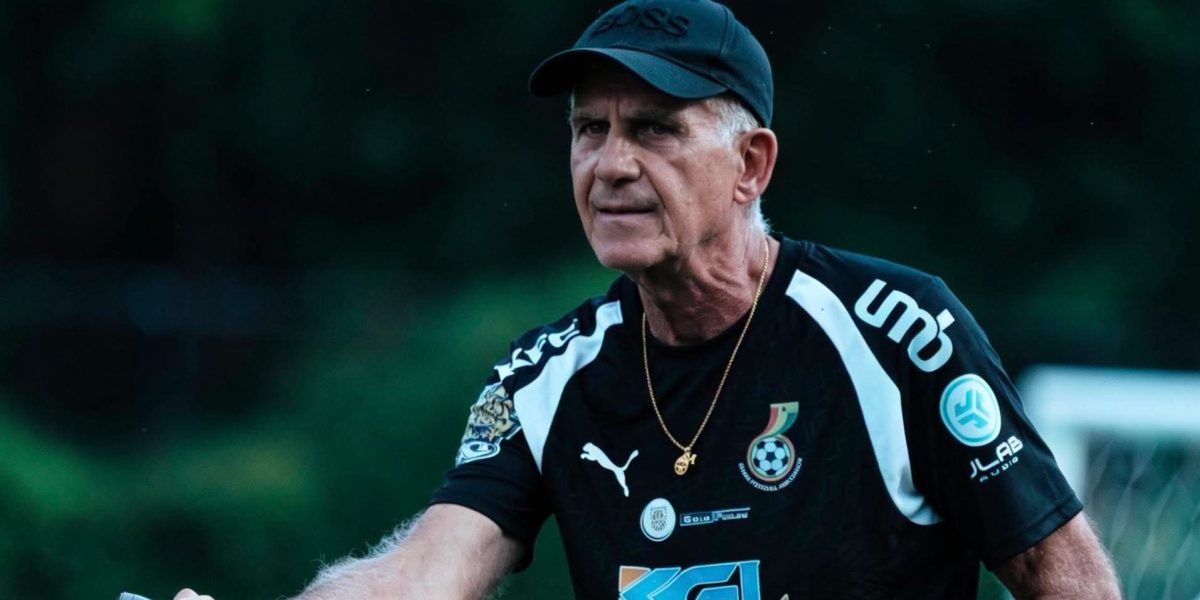
Veteran football manager Carlos Queiroz has delivered a sharp critique of the expanded FIFA World Cup format, questioning whether the tournament risks losing its prestige and competitive edge.
Speaking candidly, Queiroz argued that the essence of the World Cup has historically been rooted in its exclusivity, a quality he believes is now under threat.
“To me, value lies in rarity,” he said. “Expanding the number of teams in this competition risks making it ordinary. When so many teams qualify, is it still something rare? That’s debatable, but that’s just my opinion.”
The Ghana coach pointed to shifting dynamics in global qualification, particularly in traditionally competitive regions.
“In South America, the achievement now is not qualifying,” Queiroz noted. “In Europe, who didn’t qualify? The qualifiers lose their importance if almost everyone gets through.”
His remarks reflect a growing concern among some in the game that the expansion, driven in part by commercial considerations, could dilute the intensity and meaning of the qualification process.
“It should be something serious, difficult, and highly competitive,” he continued. “But today, money does the talking. What used to be football has become ‘moneyball.’”
Despite his criticism, Queiroz remains focused on the competitive demands ahead, urging his players to treat the knockout phase as the true beginning of the tournament.
“I just told my players that the real World Cup begins in the next round,” he revealed. “The group stage is only the warm-up, and qualification is like a credit card—now it’s time to start paying it back.”
As the debate over the expanded format continues, Queiroz’s comments add a seasoned voice to the conversation, raising fundamental questions about the balance between growth, competitiveness, and the preservation of football’s most prestigious stage.