

Skins, limited-edition rewards, and collectibles remain one of the strongest drivers of player engagement across popular games in 2026.
Why Digital Collectibles Continue to Attract Gamers
A skin that changes nothing about how a character actually plays can still sell millions of copies. That fact confuses people outside gaming, but for players, it makes complete sense. Digital collectibles have become one of the most reliable ways studios keep people invested in a game long after the core content stops feeling new.
None of this happened by accident. Studios studied what made physical collectibles, trading cards, limited sneakers, rare merchandise, so appealing, then rebuilt those same psychological triggers inside digital environments where scarcity and personalization are far easier to control.
The Appeal of Digital Collectibles
Digital collectibles work because they tap into genuine human motivations that existed long before gaming did. Owning something rare, showing it off, and completing a set all trigger satisfaction regardless of whether the item is physical or digital.
A few specific reasons explain why these items sell so consistently:
- Scarcity: limited-time skins or seasonal items create urgency, since missing the window often means missing the item permanently.
- Status signaling: rare items let players visibly demonstrate skill, dedication, or spending within a shared community.
- Collection completion: many players feel genuine satisfaction from completing a full set, even when individual items offer no functional benefit.
This isn’t unique to gaming either. Betting and casino platforms have built similar systems around loyalty tiers and exclusive rewards, tapping into the same underlying psychology that makes rarity and achievement feel meaningful.
Personalization in Gaming
Collectibles also serve a deeper purpose beyond simple ownership, they let players express individuality within a shared game world where everyone otherwise looks fairly similar. A character skin, a unique weapon design, or a rare emote all function as a form of visual identity.
This personalization typically shows up across three main categories:
- Cosmetic customization: skins, outfits, and visual effects that change appearance without affecting gameplay balance.
- Functional rarity: items that offer minor gameplay advantages while remaining difficult to obtain, common in collectible card games.
- Achievement-based rewards: exclusive items unlocked only through specific accomplishments, tying the collectible directly to player skill or effort.
Games that get this balance right tend to retain players longer, since the desire for personalization rarely disappears once a player has spent significant time building their in-game identity.
Community Value
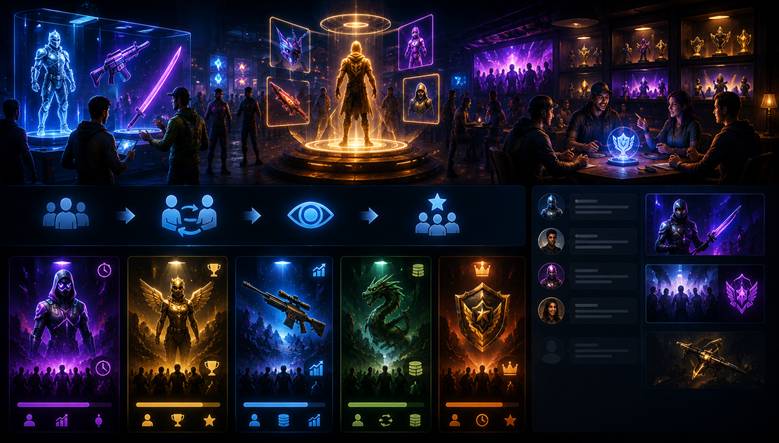
Collectibles rarely hold value in isolation, their worth comes almost entirely from how the surrounding community perceives them. An item means little without other players recognizing its rarity or significance, which is why community context matters as much as the item itself.
Betting platforms such as recognized loyalty programs, illustrated well by PinUp, community value systems, work on a comparable principle, where status tiers and exclusive rewards only carry weight because other users within that same community understand and respect what they represent. Community-driven value typically strengthens through:
- Trading systems: allowing players to exchange items, which naturally establishes informal value based on actual demand.
- Public visibility: displaying rare items during gameplay so other players can see and recognize them directly.
- Community recognition: forums and social channels where players discuss, rank, and celebrate particularly rare or impressive items.
The table below shows how collectible value tends to compare across common categories within gaming communities.
| Collectible Type | Primary Value Driver | Typical Player Motivation |
| Limited-time skins | Scarcity, expiration | Fear of missing out |
| Achievement rewards | Effort, skill | Personal accomplishment |
| Tradeable items | Market demand | Investment or social trading |
| Loyalty tier rewards | Consistent engagement | Long-term status recognition |
This structure explains why some items barely register interest while others generate significant secondary trading activity within a community.
Future Opportunities
Digital collectibles are likely to keep evolving as technology makes ownership verification and cross-platform recognition more reliable. Players increasingly want assurance that a rare item they’ve earned or purchased genuinely belongs to them, not just to a single game’s internal system.
A few developments worth watching include:
- Cross-game collectibles: items that carry recognition or value across multiple titles from the same publisher.
- Verified ownership systems: technology confirming genuine rarity and preventing duplication or fraud within collectible markets.
- Platforms such as Pin-Up expanding loyalty-based collectible systems that mirror gaming’s approach to status and exclusivity.
These shifts suggest collectibles will keep growing in both scope and sophistication, moving well beyond simple cosmetic items into more structured digital ownership systems.
Conclusion
Digital collectibles continue attracting gamers because they tap into genuine motivations around identity, status, and community recognition rather than relying purely on functional gameplay advantages. Scarcity, personalization, and community-driven value all work together to keep these systems relevant long after a game’s initial launch. As ownership technology continues improving, collectibles are likely to become an even more central part of how players engage with, and invest in, the games and platforms they choose to spend time on.