
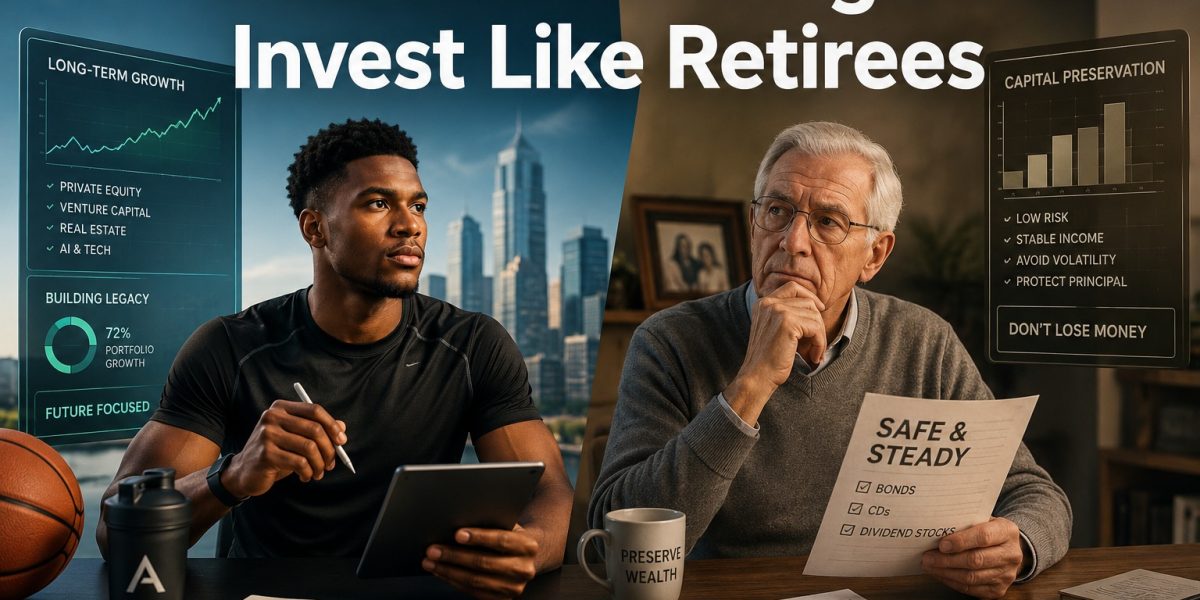
Athletes are investing beyond traditional business MD: Sports stars now treat startups, gaming ventures, and wellness technology as serious long-term investment opportunities. Royal Reels sits inside the wider digital economy increasingly attracting athlete-backed partnerships and investments.
Athletes No Longer Invest Like Retirees
For decades, professional athletes followed a pretty predictable money path. Big contract arrives, flashy car gets delivered, a few investment properties appear somewhere near the coast, and eventually a steakhouse or sports bar opens after retirement. That playbook changed dramatically.
Current sporting figures increasingly behave more like investors than traditional celebrities. Tech startups, esports brands, recovery companies, and AI ventures now attract serious attention from players across elite sport.
Digital entertainment businesses attract interest too. Sectors linked to gaming culture, including casinos around Royal Reels, increasingly sit inside the broader digital economy many athletes already follow through investments and partnerships. Sport became deeply connected to technology, and players noticed where the real long-term growth sits.
Recovery Tech Became Big Business
Elite athletes spend ridiculous amounts of time recovering. Ice baths, compression therapy, biometric tracking, sleep optimisation, wearable devices — recovery itself turned into a billion-dollar industry.
LeBron James reportedly spends over a million dollars yearly maintaining his body. Cristiano Ronaldo built personal branding around longevity and conditioning. Formula 1 drivers now use reaction-tracking systems that look more like military simulators than gym equipment.
That environment naturally pushed players toward recovery-tech investments.
Modern athlete-backed sectors now include:
- sleep tracking companies
- hydration monitoring tech
- AI-assisted physiotherapy
- wearable performance analytics
- recovery studios
- longevity supplements
The logic stays simple. Sports stars use the products personally before investing in them. They bring practical experience and massive marketing reach simultaneously.
Esports Opened A Completely Different Market
One of the biggest shifts came through gaming culture. Younger athletes grew up playing Call of Duty, FIFA, Counter-Strike, NBA 2K, and Fortnite long before entering professional sport. Investing in esports no longer feels unusual because gaming already sits inside their normal lifestyle.
Footballers, NBA players, and UFC stars now regularly stream games during downtime. Several sport stars either launched esports organisations directly or bought equity inside existing teams.
Some high-profile examples include:
| Athlete | Gaming / Tech Investment |
| David Beckham | Guild Esports |
| Steph Curry | Multiple tech startups and gaming ventures |
| Michael Jordan | aXiomatic / Team Liquid investment |
| Neymar Jr | Esports partnerships and streaming collaborations |
| Sergio Agüero | KRÜ Esports |
Plenty of modern sport stars openly collaborate with brands operating across digital gaming ecosystems, including casinos linked to Royal Reels online communities and broader interactive entertainment spaces.
AI Became Impossible To Ignore
AI investments exploded across sport partly because athletes constantly search for competitive edges. Small performance improvements mean enormous money at elite levels.
Modern AI tools now analyse:
- movement efficiency
- injury risk
- sleep quality
- nutrition timing
- tactical positioning
- biometric fatigue indicators
Teams across the NBA, EPL, and NFL already rely heavily on predictive analytics systems. Professionals themselves increasingly invest in startups building those tools because they understand how valuable optimisation becomes once careers depend on physical durability.
AI development now influences digital entertainment businesses heavily as well. Parts of the online casino Australia sector increasingly experiment with recommendation systems, fraud detection, and personalised platform experiences built around user behaviour patterns.
Athletes Want Ownership, Not Endorsements
Previous generations mostly earned through sponsorship deals. Wear the logo, appear in advertisements, cash the cheque.
Current elite competitors increasingly prefer equity over simple endorsement money.
Why? Because digital companies scale differently now.
A successful startup investment can outperform years of traditional sponsorship income if the company grows properly. Big-name players also bring far more than visibility today. Massive social audiences give startups instant marketing reach without relying purely on traditional advertising.
Online Entertainment Became Financially Serious
Another reason athletes shifted toward tech investment comes down to changing entertainment habits. Younger audiences spend huge chunks of time inside digital ecosystems rather than traditional television.
Streaming, gaming, and online casino online platforms increasingly dominate attention spans.
That includes:
- Twitch
- YouTube streaming
- fantasy sports apps
- gaming platforms
- esports broadcasts
- digital casino entertainment
Even the broader online casino industry evolved into a heavily technology-driven business involving payment systems, streaming integrations, mobile optimisation, AI analytics, and user engagement tools.
Top-level competitors watching digital audiences explode naturally followed the money toward online casino, including RoyalReels infrastructure businesses rather than older media models.
Wealth Management Became More Aggressive
Older financial advice often pushed athletes toward conservative long-term assets only:
| Traditional Athlete Investments | Modern Athlete Investments |
| restaurants | AI startups |
| property portfolios | recovery-tech firms |
| car dealerships | esports organisations |
| franchise ownership | creator economy platforms |
| stock portfolios | wellness technology |
That does not mean sports professionals suddenly became reckless investors. The bigger shift is strategic positioning. Many players now recognise their earning window inside professional sport stays relatively short compared to traditional careers.
Building ownership inside growing industries creates long-term leverage after retirement.
Meanwhile, sectors tied to digital entertainment and gaming — including parts of the Aussie online casino space — increasingly overlap with mainstream technology investment trends.
Sport no longer sits separate from tech culture. Modern athletes understand that better than almost anyone.