
In 2011, Manchester United made a quiet decision that would reshape how football does business.
They wrote a simple clause into every first-team contract: qualify for the Champions League, and every player’s wages jump by 25%.
It sounds generous. It nearly became a disaster.
For a decade, that clause paid out to everyone, including fringe players who barely touched the pitch. United found itself unable to sell or release players without a costly fight, simply because the badge had qualified for Europe, whether or not the player had earned it.
So in 2023, under new ownership, United fixed it. No more blanket bonuses. Now, a player has to log 60% of the season’s minutes to trigger that pay rise.
Contribution, not proximity. Performance, not presence. That single redesign tells you everything about how the world’s biggest clubs actually make their money and it’s not just about players. It’s about sponsors too.
Here’s the part most fans never see.
Manchester United’s £750 million kit deal with Adidas isn’t a flat cheque. It’s a live wire, tied directly to results.
Miss the Champions League, and the contract itself docks the club. Their own filings to U.S. regulators confirm it: missing out on 2025–26 European football cost United a straight £10 million deduction from Adidas, automatically restored the moment they qualified again.
And that’s just the headline number. Analysts estimate the real cost of missing the Champions League lost matchday revenue, weaker sponsor renewals, reduced prize money runs as high as £200 million in a single season.
Let that sink in. One club. One trophy short. Up to £200 million gone.
This is the deal European football has struck with itself: perform, and the money follows automatically. Fall short, and it disappears just as automatically. No boardroom argument required. No begging a sponsor for goodwill. It’s written into the contract.
Now ask yourself: how many African clubs have that kind of deal?
Almost none.
For decades, African football’s commercial model has looked nothing like this. Flat sponsorship cheques. Vague terms. Payments that depend more on a sponsor’s mood than a club’s performance. Little reporting. Even less accountability.
It’s not that African football lacks the fanbase, the passion, or the talent to deserve better. We export our biggest stars to the very leagues signing these billion-pound performance deals. The problem is structural and it’s fixable.
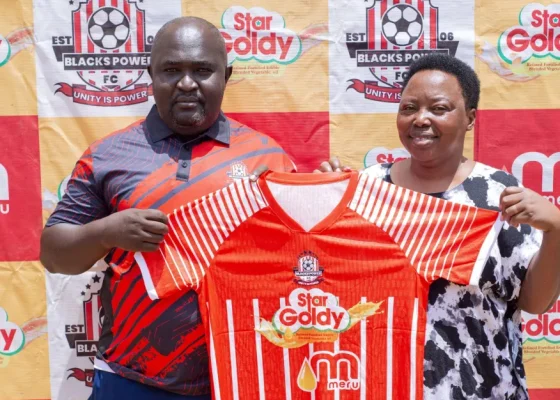
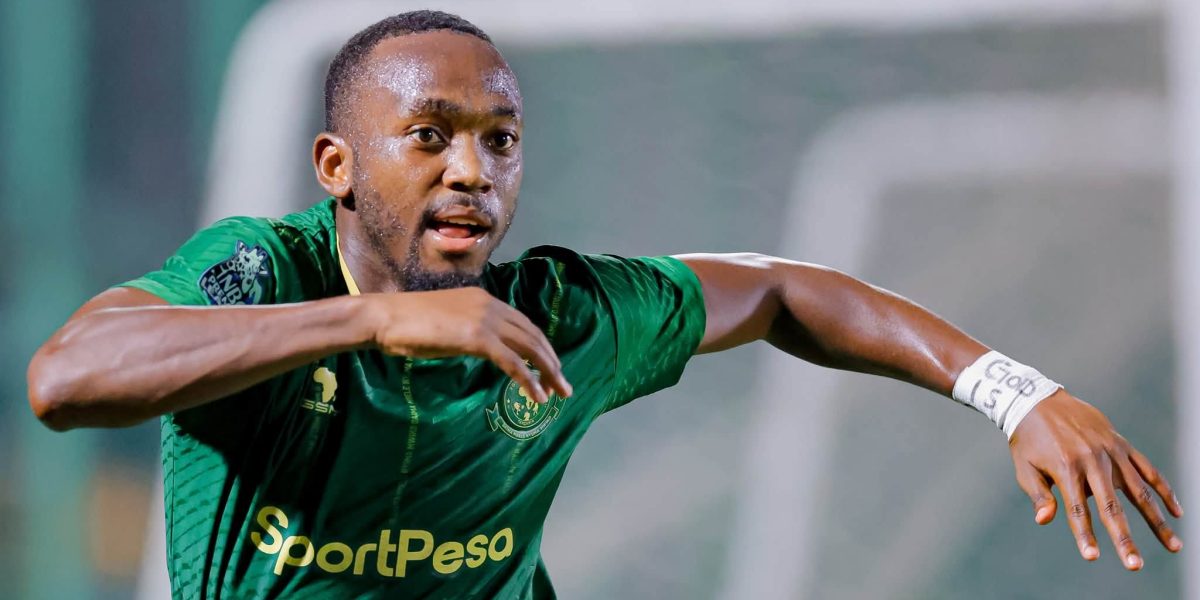
There are signs of change. Tanzania’s Simba SC and Young Africans have started building smarter deals shirt sponsorships layered with league title bonuses and CAF campaign incentives. Multi-year, multi-million-dollar partnerships with the likes of Betway and SportPesa. It’s a glimpse of what’s possible when a club builds a contract sponsors can actually trust.
But glimpses aren’t enough. Exceptions aren’t a system.
If African football wants to be taken seriously as a commercial force not just a talent factory for someone else’s league this is where it starts.
Not with bigger asks. With better contracts.
Performance-based deals that reward clubs for what they achieve, protect them when results dip, and force the very transparency sponsors have been demanding all along.
Manchester United didn’t get rich by accident. They got rich by building a system where success pays for itself and failure has a price tag too.
It’s time African football wrote that same clause into its future. At Xp sports we assist federations and clubs develop contracts that reward success and builds trust. I write on the commercialization of football, football governance, and the business of the beautiful game in Africa. If this resonated, follow me for more.
The writer is Barry Otieno
Sema Founder & Principal Consultant at Xp Sports