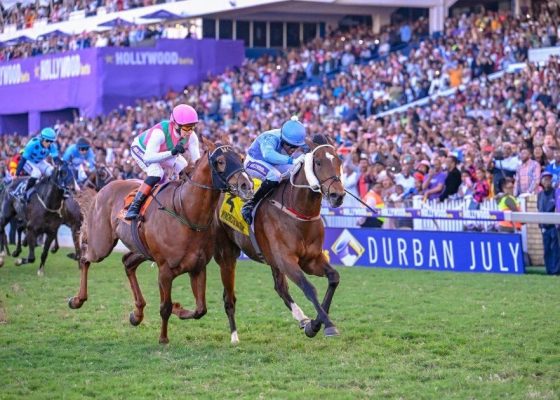


A striker leaves Enyimba for a Moroccan side, then moves again to Belgium, and the fans who first cheered him in Aba keep watching every step. That is the ordinary shape of African football now: the talent crosses borders, the transfer stories cross borders, and supporters follow on the same phone they carry from Lagos to Nairobi.
The same borderless habit shows up beyond the pitch. A fan who streams a CAF Champions League tie, tops up airtime across networks, and pays a friend in another country by mobile wallet is already living a one-account life. That is also the promise sold by online gaming operators, where Shuffle sorts Book of Ra and thousands of other reels into its online slots casino section so a player in one country sees roughly what a player two borders away sees. The reels are entertainment, not income, and the house keeps a built-in edge on every spin.
Why “one account” matters more here
In much of the world a single bank card unlocks everything online. Across much of Africa the picture is more broken up. Card penetration varies between countries, currencies swing, and a service that works cleanly in Accra can stall at a payment wall in Kampala. The same supporters who follow the continent’s African players abroad feel this every time a streaming or ticketing site refuses a local card. An account that behaves the same across regions is genuinely useful, not a slogan.
Coins instead of cards
This is where crypto rails do something practical. Instead of routing a payment through a bank that may not recognise a foreign card, a crypto casino settles in coins or stablecoins directly on-chain. USDT, a US-dollar stablecoin, holds a steady value while local currencies move. The parallel with mobile money is close: services like M-Pesa taught tens of millions to treat a phone as a wallet long before the West caught on. None of that changes the maths of a slot, but it does change who can reach one.
What crosses the border, and what does not
Money movement and game access travel well. The odds do not improve for anyone, anywhere.
| What crosses borders easily | What never crosses in your favour |
| Value, via coins and stablecoins on-chain | The house edge, fixed in the game maths |
| Access to the same slot titles and studios | The RTP, a long-run average, never a per-session promise |
| One login and one balance across regions | Any “system” for beating an RNG outcome |
RTP means return to player, the share of wagered money a game returns over a very long run, usually around 95 to 96 percent for a title like Novomatic’s Book of Ra. RNG means random number generator: each result is independent, so there is no “due” spin and no streak that owes you anything. A few percent stays with the house on average, spin after spin, which is how the business stays a business.
Playing it the sensible way
If the borderless account is the convenience, self-control is the price of using it well. Set a figure you are comfortable losing entirely before you start, treat it like the cost of a night out rather than an investment, and walk away when it is gone. The stablecoin balance that makes deposits easy makes overspending easy too. Gambling involves risk. 18+. Play responsibly. If it stops being fun, or starts feeling like a way to make money, that is the signal to stop.