

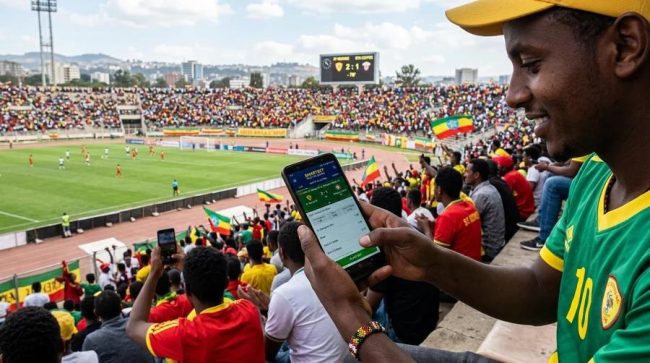
Mastering Continental Markets and Tournament Dynamics
African football has undergone a remarkable transformation over the past decade. What was once considered unpredictable territory for wagering enthusiasts has evolved into a sophisticated landscape where smart betting approaches can yield substantial returns. The continent’s unique football culture, combined with emerging tactical innovations, presents opportunities that extend far beyond traditional European markets.
Understanding African football markets requires more than surface-level analysis. The interplay between climate conditions, cultural factors, and economic realities creates patterns that astute observers can leverage. This comprehensive examination explores how smart betting tips can be adapted specifically for continental competitions, where home advantage takes on entirely different meanings and underdogs frequently rewrite the script.
Professional football betting guides often overlook the nuanced dynamics that define African tournaments. From the Africa Cup of Nations to regional championships, each competition presents distinct characteristics that reward specialized knowledge over generic strategies.
Key Insights for African Football Betting
- Climate and altitude significantly impact match outcomes
- Home advantage varies dramatically across different regions
- Tournament timing affects player availability and form
- Economic factors influence squad depth and preparation
Continental Tournament Dynamics
AFCON Patterns
The Africa Cup of Nations presents unique betting opportunities that stem from its biennial format and mid-season timing. European-based players often arrive with varying fitness levels, creating value in markets that account for squad rotation and tactical adjustments. Historical data reveals that teams hosting the tournament don’t always capitalize on home advantage as expected, particularly when facing opponents with superior European league experience.
CAF Champions League
Continental club competition betting requires understanding of travel fatigue, altitude differences, and local league schedules. North African clubs traditionally perform well due to consistent continental exposure, while West African representatives often struggle with logistical challenges. These patterns create exploitable opportunities in handicap markets and total goals betting.
What makes African football particularly intriguing from a strategic standpoint is how external factors influence outcomes more dramatically than in established European leagues. Weather conditions in coastal versus inland venues can shift match dynamics entirely. A team accustomed to sea-level play may struggle significantly when competing at altitude in cities like Johannesburg or Addis Ababa.
Market-Specific Strategic Approaches
Climate-Based Value Betting
Temperature and humidity variations across African venues create systematic advantages that oddsmakers sometimes undervalue. Teams from humid coastal regions often struggle in dry, high-altitude environments, while desert-climate sides may wilt in tropical conditions. Successful bettors track these environmental factors alongside traditional metrics.
Consider how Senegalese clubs historically perform when traveling to East African venues during rainy seasons, or how North African sides adapt to equatorial conditions. These patterns, while subtle, can provide consistent edge over time.
Economic Impact Analysis
Financial disparities between African football associations significantly influence squad preparation and travel arrangements. Clubs from economically stronger nations often arrive at away venues days earlier, allowing proper acclimatization. This advantage appears in pre-match odds but is frequently underestimated in live betting markets.
Moreover, salary payment delays can affect player motivation, particularly during continental competitions where appearance fees become crucial. Monitoring financial news from participating nations provides insights that purely statistical analysis might miss.
Cultural and Political Factors
Political tensions between nations can create extraordinary motivation levels that transcend normal form analysis. Matches involving regional rivals often produce results that seem statistically improbable but make perfect sense within cultural context. Egyptian clubs playing in Morocco, or Nigerian teams facing Ghanaian opposition, carry emotional weight that impacts player performance unpredictably.
Tactical Evolution and Betting Implications
African football’s tactical landscape has evolved dramatically as more coaches gain experience in European competitions. Traditional direct-play approaches are giving way to more sophisticated systems that emphasize possession and pressing. This transition creates opportunities for astute observers who recognize when teams are successfully implementing new approaches versus those struggling with tactical identity.
Important Considerations
Tactical changes often coincide with coaching appointments, and African teams typically require longer adaptation periods due to limited training time together. This creates value in early-season matches where bookmakers may not have adjusted to new systems.
The influence of diaspora players returning for international duty adds another layer of complexity. These athletes bring tactical understanding from top European leagues but may struggle with different playing surfaces, officiating standards, and pace of play. Detailed resources on navigating these complexities can be found here through specialized analysis platforms.
Regional Specialization Strategies
North Africa
Mediterranean climate influence, strong domestic leagues, consistent continental participation. Focus on technical over physical attributes in hot weather conditions.
West Africa
High humidity, passionate support, economic challenges affecting travel. Physical conditioning becomes crucial factor in tournament progression.
East Africa
High altitude advantages, cooler temperatures, developing infrastructure. Home teams often surprise visitors unprepared for elevation effects.
Successful African football betting requires specialization within specific regions or competitions rather than attempting comprehensive continental coverage. Each region presents distinct characteristics that reward focused study over broad generalizations. West African tournaments, for instance, often feature high-scoring affairs due to attacking traditions and less emphasis on defensive structure, while North African competitions tend toward lower-scoring, more tactical encounters.
Risk Management in African Markets
African football betting presents unique risk factors that require adapted management strategies. Political instability can lead to sudden venue changes or match postponements, while infrastructure limitations occasionally result in fixture congestion that affects team preparation. Building these contingencies into betting approaches helps maintain long-term profitability despite short-term volatility.
Common Risk Factors
- Sudden venue changes due to security concerns
- Weather-related postponements during rainy seasons
- Player availability issues related to visa problems
- Economic factors affecting team travel and preparation
The key to sustainable success lies in accepting higher variance while maintaining disciplined bankroll management. African football markets often provide excellent value precisely because they’re less efficient than major European leagues, but this inefficiency comes with increased unpredictability that must be factored into staking strategies.
Future Market Evolution
As African football continues professionalizing, betting markets are becoming more efficient, gradually reducing the edge available to sharp bettors. However, this evolution is uneven across different competitions and regions, creating opportunities for those who stay ahead of market developments. Investment in youth academies, coaching education, and infrastructure varies significantly between nations, creating persistent advantages that informed bettors can exploit.
The increasing influence of data analytics in African football presents both challenges and opportunities. While some teams now employ sophisticated analysis similar to European clubs, others remain traditional in their approach. This disparity creates situations where statistically superior teams may be undervalued against opponents with better tactical preparation or psychological advantages.
Conclusion
African football betting success requires patience, specialization, and cultural understanding that extends beyond statistical analysis. The continent’s diverse football landscape offers unique opportunities for those willing to invest time in understanding regional nuances, climate factors, and economic realities that influence match outcomes.
As markets continue evolving and becoming more efficient, the advantage will increasingly belong to bettors who combine traditional analysis with deep knowledge of African football’s distinctive characteristics. The key lies not in finding perfect systems, but in developing sustainable approaches that account for the beautiful unpredictability that makes African football so compelling to watch and, when approached correctly, profitable to bet on.