
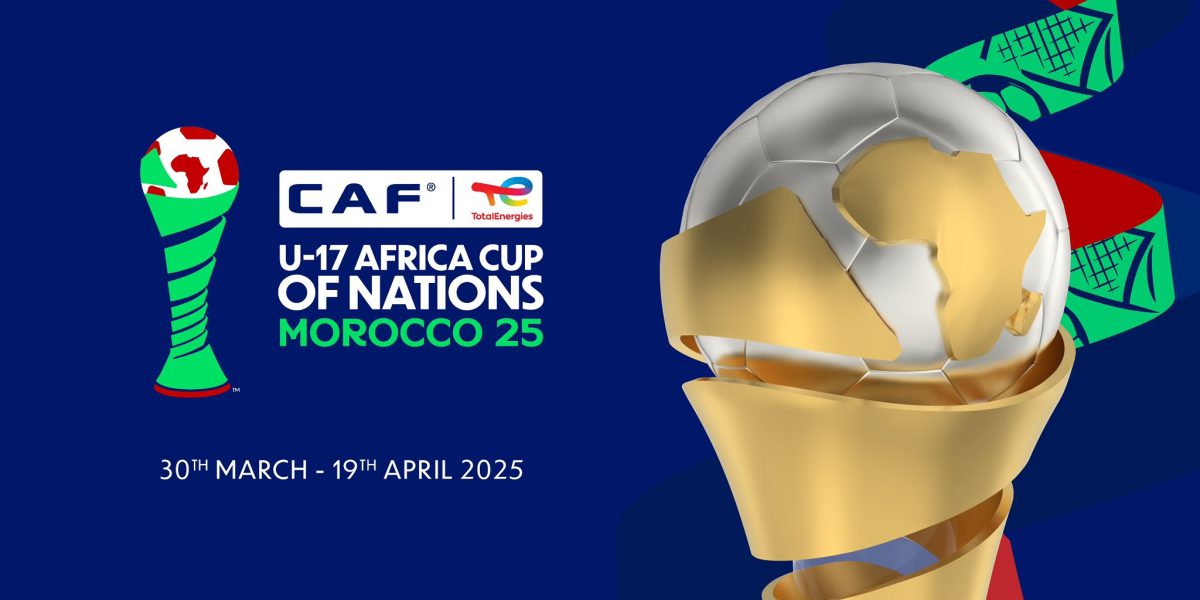
The 2026 TotalEnergies CAF U-17 Africa Cup of Nations gets underway on Wednesday in Morocco, with 16 nations battling for continental success and qualification for the FIFA U-17 World Cup in Qatar.
The competition, scheduled to run from May 13 to June 2, will introduce CAF’s new festival-style format aimed at creating a unified environment for matches, training sessions and team activities.
Most fixtures will take place at the Mohammed VI Football Complex, while the opening game, semi-finals and final will be staged at separate venues.
Beyond the race for the trophy, teams will also compete for places at the FIFA U-17 World Cup.
The eight quarter-finalists will qualify automatically, while the four third-placed teams from the group stage will contest playoff matches for the remaining two African slots, giving the continent 10 representatives in Qatar.
Hosts Morocco headline Group A alongside Tunisia, Egypt and Ethiopia in what is widely considered one of the toughest groups of the tournament.
The North Africans enter the competition as defending champions after lifting the title in 2025 and will be eager to retain the crown on home soil.
Coach Tiago Lima Pereira is expected to rely on an attacking style built around possession football and aggressive pressing.
Adam Bougazir, Rami Loukmani and Ilyan Hadidi are among the key players tipped to shine for the hosts.
Morocco open their campaign against Tunisia, a side known for tactical discipline and defensive organisation under coach Nadjeh Toumi.
Tunisia will hope players such as Moncef Thabti, Othman Ben Houssein and Yahya Jneidi can inspire an upset in the tournament opener.
The second Group A clash will see former champions Egypt face Ethiopia. Egypt, winners of the competition in 1997, are aiming to re-establish themselves among Africa’s elite youth sides.
Hussein Abdel Latif’s team will depend on Mohamed Gamal, Ahmed Safwat and Alaa Adel as they seek a positive start.
Ethiopia return to the tournament for the first time since 2003 after securing qualification with an impressive playoff victory over Kenya.
Dawit Kassaw Yirdaw, Biyam Abrha and Biruk Eyilachew were all on target in that decisive match, with Kassaw emerging as one of the team’s biggest attacking threats following his strong performances in the CECAFA qualifiers.
Group B also promises exciting action with former champions Côte d’Ivoire and Cameroon joined by Uganda and debutants DR Congo.
Côte d’Ivoire arrive in Morocco as WAFU B champions after defeating Ghana on penalties in the regional final.
Bassiriki Diabaté’s squad is expected to lean on the creativity and composure of players like Bema Doumbia, Cheick Malo and goalkeeper Adama Diabaté.
Cameroon, two-time winners of the tournament, once again carry strong expectations.
Guided by former international Alioum Saidou, the Indomitable Cubs possess a blend of physicality and attacking quality, with Rony Baliag Nougi, Krys Karel, Omar Amir Tsombeng and Essingila Mbinde among the standout names.
Uganda will attempt to progress beyond the group stage for the first time under coach Laryea Kingston.
The East Africans boast talented midfielder Owen Mukisa, forward Thomas Ogema and Henry Muhoozi as they target a breakthrough performance.
Tournament newcomers DR Congo complete the group after an impressive qualification campaign in the UNIFFAC zone.
Coach Denis Makenga Mulamba’s side showed promise with victories over Gabon and Central African Republic, while striker Delpierot Ntali finished as the top scorer during qualifying.
With defending champions, former winners and ambitious newcomers all in contention, the opening matches are expected to set the stage for a thrilling tournament that could reveal Africa’s next generation of football stars.