

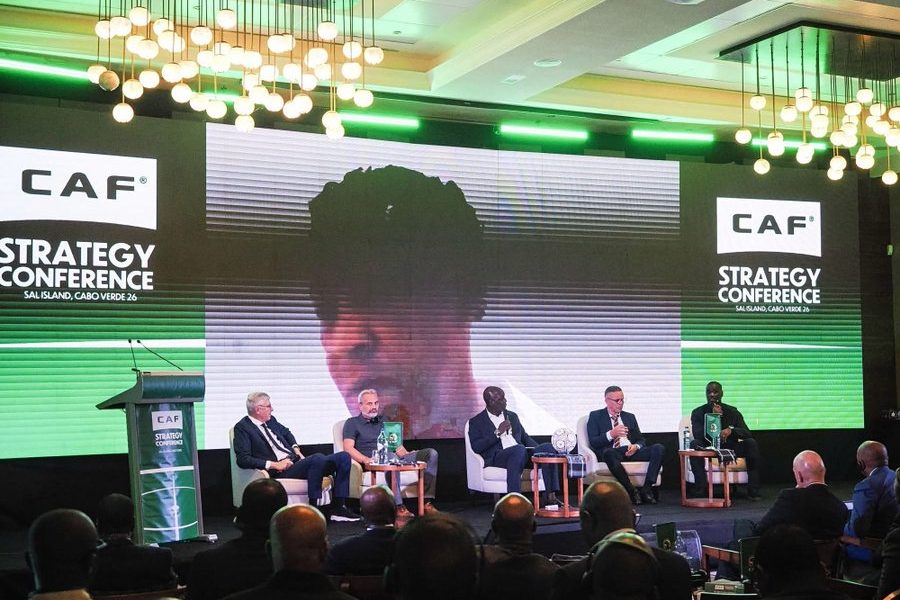
FIFA’s Technical Study Group has outlined four key areas African national teams must address to improve their competitiveness following their performances at the 2026 FIFA World Cup.
The recommendations focus on improving attacking efficiency, pressing higher up the pitch, managing matches more effectively in the closing stages and building on existing defensive strengths.
One of the key areas highlighted is the need for African teams to create more goal scoring opportunities inside the penalty area rather than relying heavily on long range efforts. Improving movement, decision making and combinations in the final third could help teams become more clinical in front of goal.
The Technical Study Group has also emphasised the importance of winning possession higher up the pitch through more effective pressing. African sides are encouraged to recover the ball in advanced areas and transition quickly, with greater accuracy in their passing to maximise attacking opportunities.
Another major concern is the tendency to concede late goals. FIFA’s analysis suggests that such setbacks should not automatically be attributed to fitness problems, but also to game management, possession control and decision making under pressure. Teams must learn to manage leads and maintain concentration throughout the full 90 minutes.
Despite these areas for improvement, African teams have been encouraged to preserve their strengths, particularly defensive organisation, effectiveness from set pieces and mental resilience. By combining these qualities with better tactical execution and attacking efficiency, African nations can strengthen their ability to compete against the world’s leading football teams in future international tournaments.