
FIFA has announced a sweeping ban on vuvuzelas, air horns, and whistles for the 2026 FIFA World Cup, with fans set to have the items confiscated at stadium gates across the United States, Canada, and Mexico.
The decision marks a significant shift in fan experience policy, as football’s global governing body moves to regulate stadium noise levels and improve match-day environments for players, officials, and broadcasters.
Supporters attending matches will be prohibited from bringing the instruments into venues, with security checks expected to strictly enforce the directive throughout the tournament.
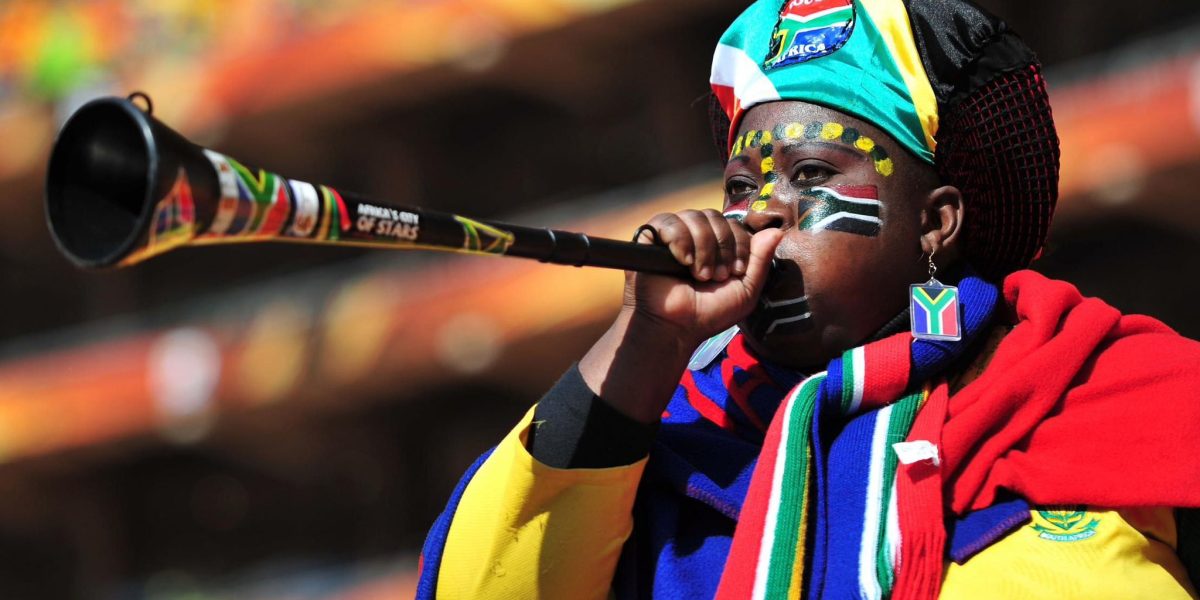
The move is likely to spark debate, particularly given the cultural significance of the vuvuzela, which rose to global prominence during the 2010 FIFA World Cup in South Africa. The plastic horn became synonymous with that tournament, producing a constant, high-pitched buzz that divided opinion worldwide.
While many fans embraced the vuvuzela as a symbol of African football culture and vibrant stadium atmosphere, others — including players, coaches, and television audiences — criticized the noise for being overwhelming and disruptive to communication on the pitch.
FIFA’s latest decision suggests a clear preference for a more controlled auditory environment at its flagship tournament, especially as the 2026 edition will span three countries and feature an expanded format.
Though the governing body has yet to detail all stadium regulations, the ban signals a broader effort to standardize fan conduct and ensure consistency across venues.
With the World Cup set to attract millions of supporters from around the globe, the absence of one of football’s most recognizable fan instruments will undoubtedly reshape the soundscape of the tournament — and reopen debate about where tradition meets regulation in the modern game.